
Subsurface Utility Engineering That Brings Clarity Below Ground
Every project starts with a plan, but the real story sits underground. Lines cross, depths shift, and records don’t always match what’s in the soil. That’s where subsurface utility engineering comes into play. It gives us a clear picture before excavation begins, so we’re not guessing once equipment hits the ground.
Subsurface Utility Engineering Services You Can Trust
Subsurface utility engineering is about gathering accurate data on underground infrastructure before construction starts. It combines records research, field investigation, and precise locating methods to map out what’s really below the surface.
We’ve seen how often plans look solid until the digging begins. That gap between paper and reality can throw off an entire schedule. With subsurface utility engineering, we close that gap early and give teams information they can rely on from day one.
It’s not extra work. It’s groundwork that keeps everything else moving.
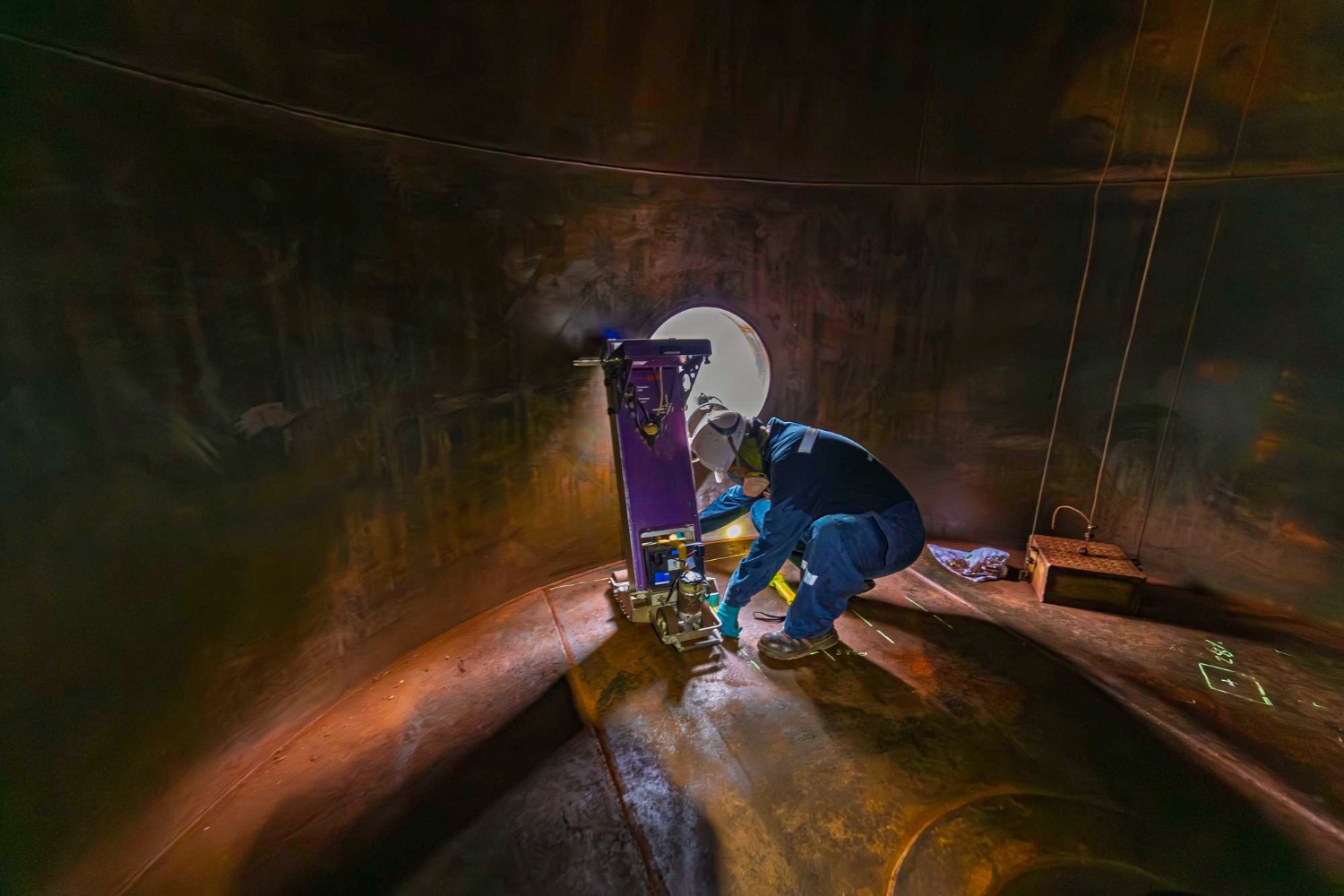
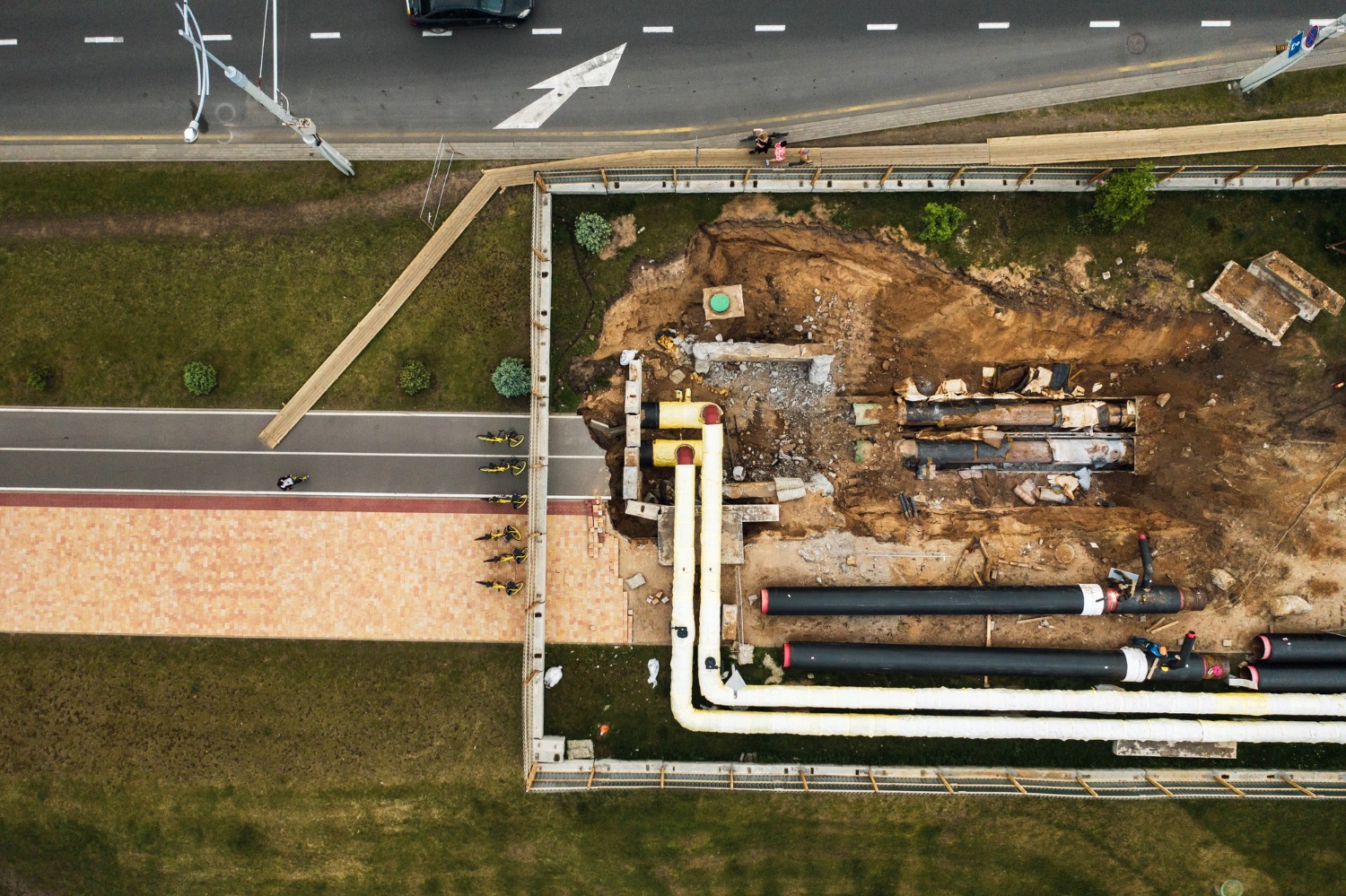
Why Subsurface Utility Engineering Matters Early
Starting a project without verified utility data can feel like building on shaky footing. You might move forward, but there’s always a risk of hitting something unexpected.
Subsurface utility engineering helps remove that uncertainty. By identifying utility locations and depths in advance, we can plan excavation with more precision. That means fewer surprises and fewer costly interruptions.
It also helps teams stay aligned. Engineers, contractors, and field crews all work from the same accurate information, which makes coordination smoother across the board.
What Happens On Real Job Sites
Out in the field, no two sites are the same. Some are packed with overlapping utilities, while others have gaps in documentation that leave crews guessing.
We’ve worked on projects where subsurface utility engineering revealed lines that weren’t shown on any map. Catching that early changed the excavation approach and saved the project from delays that would have stacked up fast.
There’s a certain relief that comes with knowing what’s below before you start digging. It shifts the tone of the job from reactive to prepared.
The Process Behind Subsurface Utility Engineering
There’s a structured approach behind subsurface utility engineering, and each step builds toward a clearer understanding of the site.
- Review of existing utility records and plans
- Surface investigation using locating equipment
- Marking and mapping of detected utilities
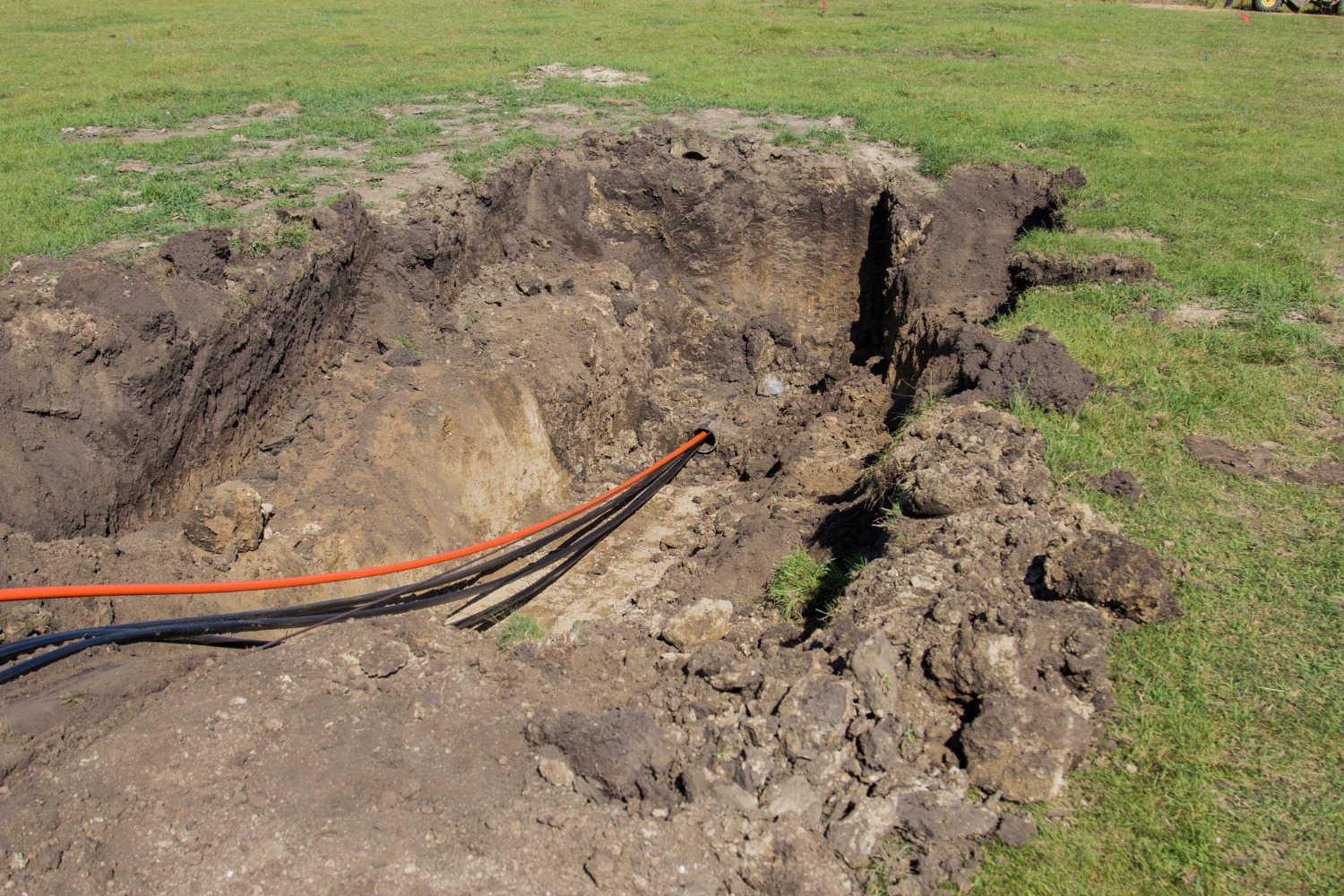
- Selective exposure through methods like vacuum excavation
- Documentation of utility depth, alignment, and condition
This process turns scattered information into something usable. It gives project teams a reliable reference instead of a rough estimate.
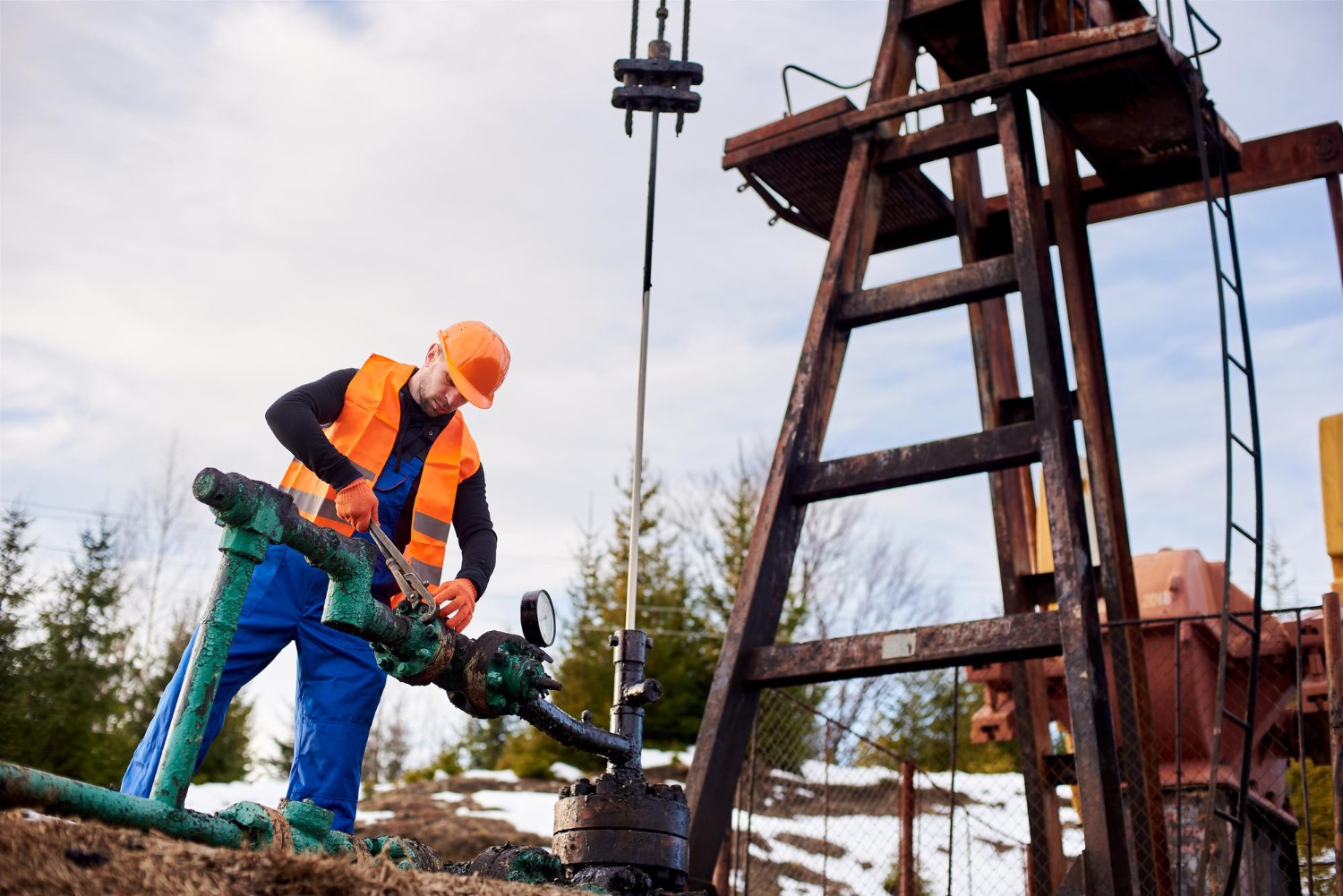
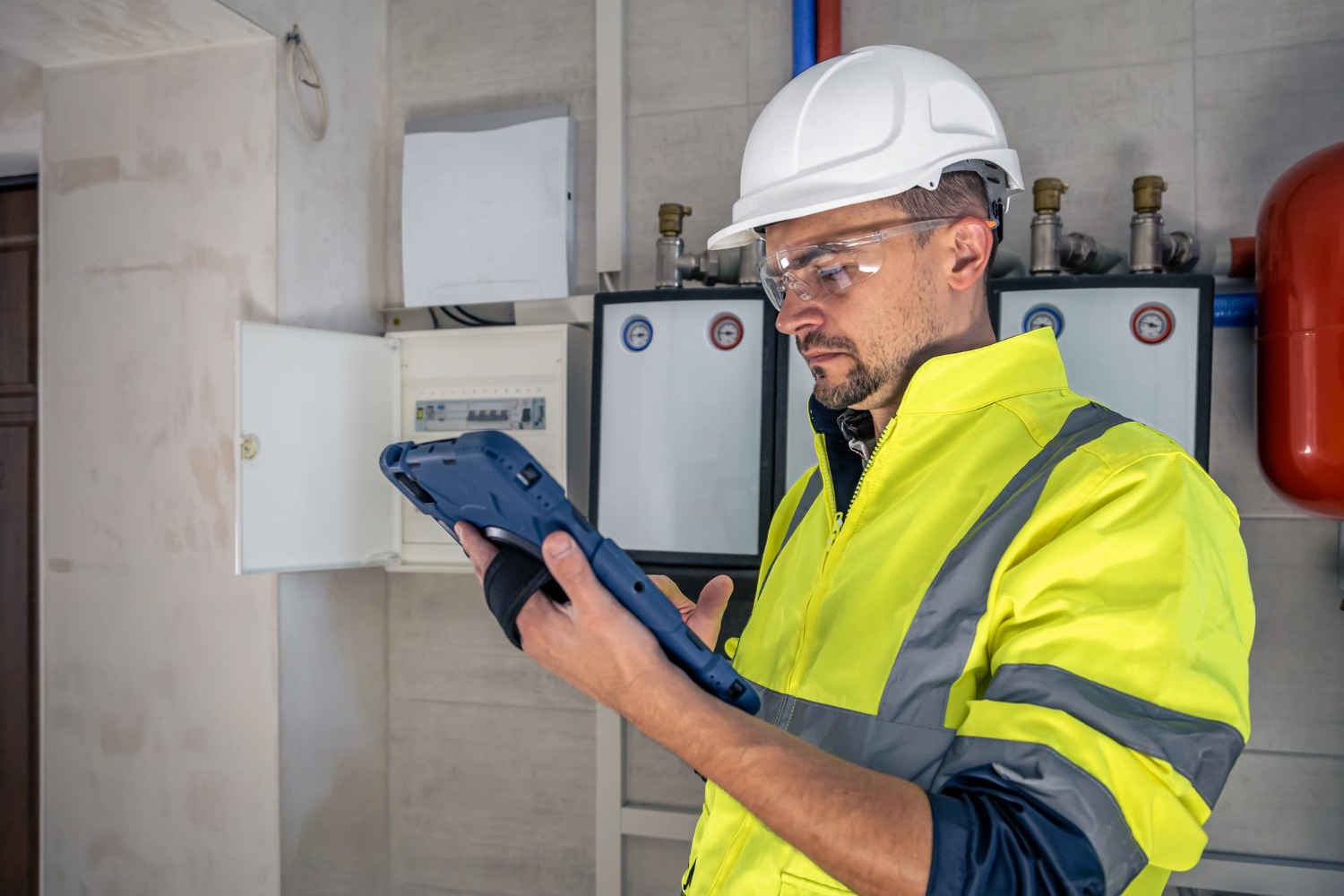
Technology That Supports Better Mapping
Modern tools have changed how subsurface utility engineering is carried out. Ground penetrating radar, electromagnetic locators, and vacuum excavation all play a role in building an accurate picture of underground conditions.
These tools allow us to gather data without unnecessary disruption to the site. Instead of digging blindly, we can focus on specific areas and confirm what’s there.
Technology alone isn’t enough, though. Interpreting the data correctly is where experience comes in. Knowing how to read signals and verify findings in the field makes all the difference.
Avoiding Delays And Cost Overruns
Unexpected utility conflicts can slow a project down faster than almost anything else. Crews have to stop, reassess, and sometimes redesign parts of the plan.
Subsurface utility engineering helps avoid those scenarios. By identifying issues early, we can adjust before excavation begins. That keeps work moving and reduces the chances of expensive fixes later on.
We’ve seen projects where this step saved days of downtime. It’s one of those investments that pays for itself through smoother execution.
Safety Starts Below The Surface
Working around underground utilities comes with real risks. Striking a gas line or electrical conduit can have serious consequences for both workers and the surrounding area.
Subsurface utility engineering helps reduce those risks by giving crews accurate information before they start digging. That awareness leads to better decisions and safer work practices.
It also creates a more controlled job site. When everyone knows where utilities are located, there’s less hesitation and fewer last-minute adjustments.
Supporting Better Project Planning
Planning doesn’t stop at the surface. Subsurface utility engineering plays a key role in shaping how a project unfolds from start to finish.
With accurate utility data, teams can design around existing infrastructure instead of reacting to it. That leads to more efficient layouts and fewer changes once construction is underway.
It also improves communication between teams. When everyone works from the same verified information, decisions happen faster and with fewer misunderstandings.
Working With Level A
At Level A, we approach subsurface utility engineering with a focus on accuracy and real-world application. We don’t treat it as a checkbox. We treat it as a critical step that shapes everything that follows.
Our services are built to support projects from the ground up. We combine field experience with the right tools to deliver information that crews can trust when it matters most.
Every site has its own story, and we take the time to understand it before work begins. That approach helps us deliver results that keep projects moving without unnecessary setbacks.
FAQs
What Is Subsurface Utility Engineering?
Subsurface utility engineering is the process of identifying and mapping underground utilities before construction begins.
Why Is Subsurface Utility Engineering Important?
It helps reduce the risk of utility damage, improves safety, and keeps projects on schedule.
How Is Subsurface Utility Engineering Performed?
It involves records research, surface locating, and selective excavation to confirm utility locations and depths.
When Should Subsurface Utility Engineering Be Done?
It should be completed during the planning phase, before any major excavation work starts.
Does Subsurface Utility Engineering Add Time To A Project?
It adds an early step, but it often saves time by avoiding delays and rework later.
Who Needs Subsurface Utility Engineering?
Contractors, engineers, and project managers benefit from it on any job involving excavation or underground work.
Build With Confidence From The Ground Down
Ready to take the guesswork out of your next project? Reach out through our contact page or call (925) 262-8270 and let’s get your subsurface utility engineering handled right with Level A.