
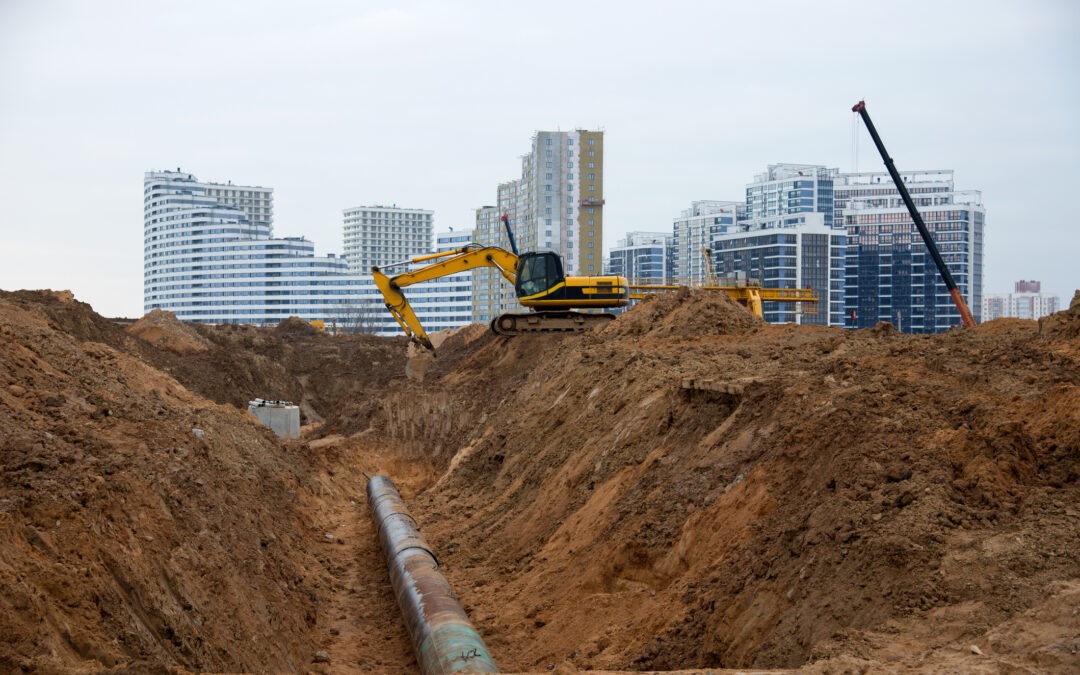
Water lines often stay out of sight until a project puts them at risk. A planned trench, fence post, or landscaping upgrade can quickly become a problem when a buried line is nearby. Learning how to find underground water lines before digging helps protect your property, your schedule, and the people doing the work.
How To Find Underground Water Lines With Better Information
Property owners often assume that water lines run in a straight path from the meter to the building. Sometimes they do, but older properties can hold surprises beneath the surface. Past repairs, additions, and landscaping changes may have altered the route over time.
The first step is gathering the available information about the property. Existing plans, utility records, and prior repair notes may offer useful clues. These records provide a starting point, but they should not be treated as final proof.
Professional utility locating gives you a stronger answer before excavation begins. Locating equipment can trace many underground lines and identify areas that need closer review. This helps contractors avoid turning a simple project into a flooded work zone.
Knowing how to find underground water lines also helps property owners plan smarter. You can discuss potential utility conflicts before hiring crews or ordering materials. That early planning can save time when the project reaches the digging stage.
Start With Available Property Records
Property records can provide helpful background before any field investigation takes place. Check for site plans, plumbing drawings, irrigation layouts, or notes from previous construction projects. Older documents may show where service lines originally entered the property.
A water meter location can also offer useful information. The service line often travels from the meter toward the building it supplies. Still, the route may shift around trees, driveways, additions, or earlier utility work.
Private water lines are often different from public utility lines. The public utility may maintain the line up to a certain point, while the property owner handles the rest. That private section still needs attention before digging takes place.
Records are a good first step, but field conditions should guide the final decision. Maps can be old, incomplete, or based on plans that changed during installation. It is wise to treat paperwork as a clue, not a guarantee.
Look For Clues Above Ground
A property can reveal small signs of what lies beneath the surface. Water meters, valve boxes, hose connections, and irrigation controls may point toward the line’s general path. These features can help narrow down the area that needs investigation.
A patch of greener grass may also catch your attention. In some cases, a leaking water line can provide extra moisture to the surrounding soil. This does not confirm the line location, but it can signal that closer evaluation is needed.
Past excavation areas can offer another hint. A narrow strip of different soil, uneven ground, or patched pavement may show where a utility line was installed. These details are easy to overlook when the focus is on a new project.
Knowing how to find underground water lines involves reading the site as a whole. You are looking for information that adds up to a more accurate picture. It can feel like putting together a puzzle without the box lid.
Why Guessing Creates Expensive Problems
Digging without confirming utility locations can create a costly situation quickly. A damaged water line can flood the work area and disrupt service to the property. The repair may also require emergency support and additional excavation.
Water damage can affect nearby foundations, landscaping, and paved surfaces. It can also delay other work that depends on a dry, stable area. A trench project can become much larger than planned after one accidental strike.
Knowing how to find underground water lines reduces the chance of these problems. Professional locating helps identify the likely path before machinery or hand tools enter the soil. That gives crews a better idea of where they need extra caution.
Even a small hole can cause trouble if it lands in the wrong place. Fence posts, sign installations, and tree planting projects all involve digging. The size of the project does not always match the size of the risk.
Professional Utility Locating Methods
Utility locating professionals use specialized equipment to investigate underground infrastructure. Electromagnetic locating can help trace conductive pipes, tracer wires, and certain water system components. The equipment detects signals that help define a line’s path across the property.
Some water lines do not respond easily to standard locating methods. Plastic piping, older materials, and unknown site conditions can make the work more complex. In these cases, professionals may use other investigative tools to gather more information.
Ground penetrating radar can support some site investigations. It sends signals into the ground and identifies changes below the surface. Results depend on soil conditions, depth, moisture levels, and the materials present underground.
We use field methods that fit the property and the project goals. Our utility locating services help clients investigate buried infrastructure before excavation begins. The goal is to provide useful information that supports safer work.
How To Find Underground Water Lines Near Buildings
Water lines near buildings can be difficult to trace because many features share the same area. Electrical conduit, drainage lines, irrigation systems, and older utility connections may overlap underground. A professional investigation helps separate those possibilities before excavation begins.
The area near the water meter should receive careful attention. The service line often begins there and travels toward the structure. Yet bends and changes in direction can occur, especially near past additions or hardscape features.
Knowing how to find underground water lines near a building helps avoid damage during renovations. New plumbing work, drainage improvements, and foundation projects can all affect buried utilities. Confirming the line route early makes it easier to plan around it.
We also recommend looking at areas where water enters the structure. The service connection may provide another clue about the line’s direction. This information can guide the locating process, though it does not replace field verification.
When Surface Markings Are Not Enough
Surface markings provide useful guidance, but they have limits. A marked line may show the estimated route, yet it does not confirm depth. It also may not reveal how close the utility sits to the planned excavation area.
Some projects need physical confirmation before work moves forward. Vacuum excavation can expose a water line through controlled soil removal. This gives crews a direct view of the pipe and its location.
Knowing how to find underground water lines includes recognizing when locating alone is not enough. High-risk work near a suspected utility often needs more than a surface mark. Direct verification can provide stronger information for excavation planning.
This extra step is especially useful before directional drilling or deep trenching. These methods can create serious problems when a utility sits in the proposed path. Exposing the line first gives the crew a better chance to avoid a strike.
Water Lines And Landscaping Projects
Landscaping projects can create utility risks that many property owners do not expect. Installing a tree, building a retaining wall, or adding a drainage system may require digging deeper than planned. Water lines can run through areas that appear open and safe.
Irrigation systems can complicate the picture around landscaped areas. These lines may connect to the main water supply or run independently through the property. Locating work can help distinguish between irrigation components and larger service lines.
Knowing how to find underground water lines before landscaping work protects more than the utility itself. It can also help protect new plants, hardscape materials, and completed work from water damage. Nobody wants to rebuild a fresh project because of a buried pipe.
We often see property owners focus on the visible part of a project. The underground portion deserves the same planning and care. Taking time to locate utilities keeps a nice upgrade from turning into a muddy repair job.
What To Prepare Before A Locating Visit
A little preparation can make a utility locating visit more useful. Make the target work area accessible and remove materials blocking the surface. Mark the proposed trench, drilling point, or installation area when possible.
Share any property records or past repair information you have available. Even a small detail about a previous leak repair can help guide the investigation. Photos of the area before landscaping changes may also provide useful context.
Knowing how to find underground water lines starts with giving the locating team a clear goal. Explain what work is planned and where the excavation will happen. This helps us focus the investigation on the areas that matter most.
At Level A Solutions, we work with homeowners, contractors, and project teams that need better information before digging. We understand that buried utilities can feel like a mystery until someone takes the time to investigate. Our team helps turn that uncertainty into practical field guidance.
Common Mistakes To Avoid
One common mistake is assuming the water line follows the shortest route. Utility installers often need to work around obstacles, existing infrastructure, and property features. A line may take turns that are not obvious from the surface.
Another mistake is treating a previous locating mark as permanent information. Rain, traffic, construction activity, and time can erase markings. A site should be reviewed again when plans change or when excavation happens later.
Waiting until the equipment arrives can also create unnecessary pressure. By then, crews are scheduled and materials may already be on site. Locating utilities earlier gives everyone more time to adjust without scrambling.
How to find underground water lines is not a task for guesswork or hopeful assumptions. The safest approach uses records, site observations, and professional locating methods. Physical verification may be needed when the project requires precise utility information.
FAQs
Can I Find A Water Line Using My Property Plans?
Property plans can provide useful clues, though field locating confirms where the line sits today.
Do Utility Companies Locate Private Water Lines?
Utility providers may locate public lines, while private water lines often require professional locating services.
Can A Metal Detector Find Underground Water Pipes?
Metal detectors can find some metallic pipes, though they cannot reliably identify all water line materials.
How Deep Are Residential Water Lines Usually Buried?
Water line depths vary based on local requirements, property conditions, and past installation methods.
Is Vacuum Excavation Necessary For Water Line Locating?
Vacuum excavation provides direct confirmation when locating marks alone cannot establish utility depth accurately.
Should I Locate Water Lines Before Planting Trees?
Yes, locating water lines helps avoid damage when tree roots, digging, and irrigation work affect the area.
Find The Line Before The Shovel Hits Dirt
Protect your property before excavation brings an unexpected problem to the surface. Contact Level A Solutions for professional utility locating support before your next project begins.