
There’s a moment before any dig where uncertainty hangs in the air. What’s below the surface can either cooperate or cause chaos. That’s why hydro excavation has become a go-to method for crews who want control instead of guesswork. It offers a cleaner, safer way to expose what matters without tearing up everything around it.
What Hydro Excavation Looks Like In Practice
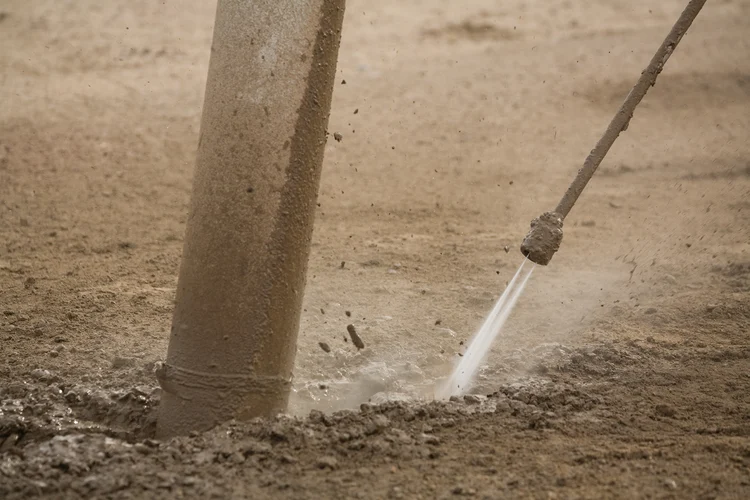
Hydro excavation uses pressurized water to break up soil while a vacuum system removes the debris. Instead of cutting blindly into the ground, crews can carefully uncover utilities and structures with far more precision.
On a job site, that difference is easy to spot. Traditional digging can feel aggressive, especially in tight areas. Excavation feels more controlled, almost like peeling back layers instead of ripping through them. It’s a method that fits modern construction demands where accuracy matters just as much as speed.
Why Hydro Excavation Has Become A Go To Method
There’s a reason excavation keeps showing up across industries. It reduces the risk of damaging underground lines, which means fewer disruptions and fewer costly repairs.
Crews also gain better visibility as they work. Instead of relying on maps that might be outdated, they can see exactly where utilities are located. That real-time clarity changes how decisions are made on site. It removes a lot of second-guessing and replaces it with confidence.
There’s also a practical benefit that often gets overlooked. Hydro excavation tends to create less mess around the work area. That matters in urban settings or high-traffic zones where cleanup can slow everything down.
Hydro Excavation In Tight And Complex Spaces
Not every job site gives you room to spread out. Some are cramped, busy, and layered with existing infrastructure. In those cases, hydro excavation becomes more than helpful, it becomes essential.
Picture a downtown project where sidewalks, traffic lanes, and underground utilities all compete for space. Using heavy mechanical digging in that environment can create more problems than it solves. Hydro excavation allows crews to work in smaller, targeted areas without disturbing everything nearby.
We’ve seen projects where a few inches made the difference between a smooth install and a major delay. Hydro excavation helps navigate those tight margins with far less risk.
The Process
There’s a method to how hydro excavation is carried out, and consistency is what keeps results reliable.
- Initial site assessment and review of utility markings
- Setup of water pressure and vacuum systems based on soil conditions
- Controlled water application to break up soil without damaging structures
- Immediate removal of slurry through a vacuum hose
- Inspection and documentation of exposed utilities or features
Each step builds on the last. When done right, it creates a clean, accurate view of what’s underground without unnecessary disruption.
Equipment Used
The equipment used in hydro excavation plays a big role in its success. High-pressure water systems need to be calibrated carefully. Too much force can cause damage, while too little slows progress.
Vacuum systems are just as important. They remove loosened soil quickly, keeping the work area clean and visible. This combination of water and suction is what makes hydro excavation so precise compared to traditional methods.
Advancements in equipment have also made it easier to work in different environments. From frozen ground to dense clay, hydro excavation can adapt without losing effectiveness.
Where Projects Go Wrong Without It
Skipping hydro excavation can lead to a chain reaction of issues. Crews may rely on incomplete information and run into unexpected obstacles mid-dig.
That’s when delays start stacking up. Equipment sits idle, teams wait for direction, and costs climb faster than anyone planned. A single damaged utility line can ripple across the entire project.
We’ve come across sites where rushing the early stages led to weeks of rework. It’s frustrating for everyone involved and often avoidable with the right approach upfront.
Safety On Site
Safety is always part of the conversation, but it takes on a different level of importance when dealing with underground utilities. Hydro excavation reduces the chance of striking gas lines, electrical conduits, and communication cables.
That reduction in risk protects both workers and the surrounding community. It also creates a calmer work environment. Crews can focus on the task at hand instead of worrying about hidden hazards.
There’s a certain peace of mind that comes from knowing the ground has been handled with care. Hydro excavation brings that reassurance to the job site.
Project Flow
Adding hydro excavation at the beginning of a project might seem like an extra step, but it often keeps everything running smoother from start to finish. When utilities are exposed and verified early, crews can plan their work with greater accuracy.
That clarity reduces interruptions. It also improves coordination between different teams working on the same site. Everyone operates from the same understanding of what’s below the surface.
The result is steady progress instead of stop-and-go frustration. It’s one of those shifts that changes how a project feels day to day.
Working With A Team That Knows The Ground
Experience shapes how effective hydro excavation is in real conditions. It’s not only about using the equipment, it’s about reading the site and making informed decisions as the work unfolds.
At Level A Solutions, we bring that experience to every project. Our approach focuses on precision, efficiency, and practical results that crews can rely on. Through our services, we help teams move forward without unnecessary setbacks.
Different environments bring different challenges. From crowded urban areas to open construction zones, hydro excavation adapts when handled by a team that understands the work.
FAQs
What Is Hydro Excavation?
It is a method that uses pressurized water and a vacuum system to safely expose underground utilities and structures.
Why Is Hydro Excavation Safer Than Traditional Digging?
It reduces the risk of damaging underground lines by using controlled water pressure instead of mechanical force.
Where Is Hydro Excavation Commonly Used?
It’s used in construction, utility locating, trenching, and projects where precision is important.
Does Hydro Excavation Work In All Soil Types?
Yes, it can handle a range of conditions, including compact soil and even frozen ground with the right equipment.
Is Hydro Excavation More Expensive?
The upfront cost can be higher, but it often saves money by avoiding repairs, delays, and downtime.
When Should Hydro Excavation Be Used?
It’s best used before major excavation begins or in areas with known underground utilities.
Break Ground With Confidence
When the ground holds more than dirt, you need a method you can trust. Reach out through our contact page or call (925) 262-8270 to get hydro excavation handled right with Level A Solutions.